
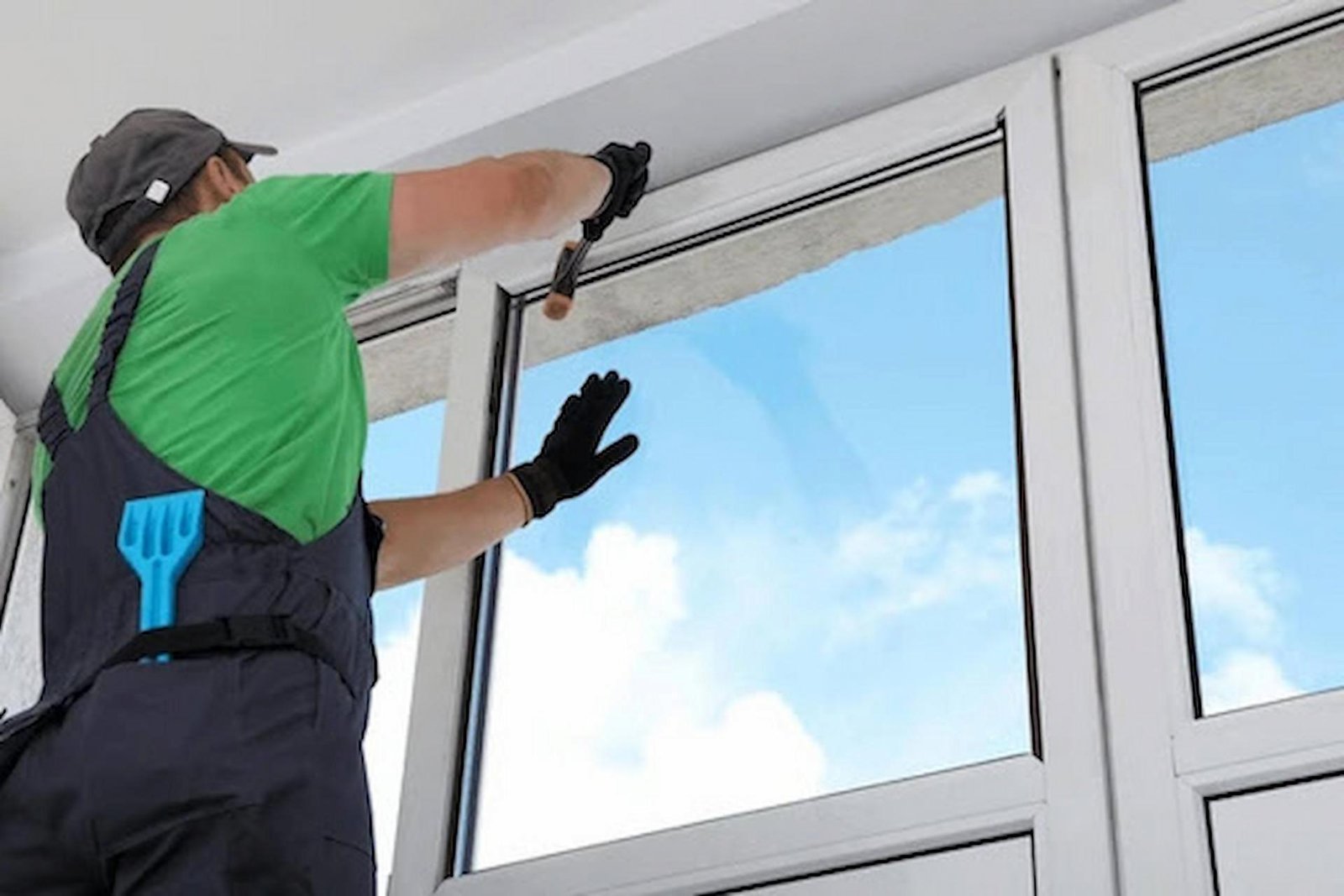
For any homeowner or business manager, the sound of shattering glass is a visceral shock that immediately shifts priorities. Whether caused by an opportunistic burglary, a stray football, or the unpredictable lash of a British storm, a compromised window is more than just a cosmetic flaw; it is a critical vulnerability. It compromises the security of your property, exposes your interior to the elements, and creates a significant safety hazard for anyone nearby. In such moments, the primary questions are always the same: how fast can this be fixed, and what will the final bill look like?
The Speed of Recovery: How Fast is “Emergency”?
When you find yourself in a crisis, the term emergency glazing takes on a very specific meaning. Most reputable glazing firms across the United Kingdom operate on a 24/7 basis, acknowledging that glass doesn’t wait for office hours to break. On average, a professional glazier aims to be on-site within 30 to 90 minutes of your initial call. This rapid response is designed to provide immediate peace of mind and to secure the perimeter of your building as quickly as possible.
However, it is important to distinguish between “securing the property” and “completing the final repair.” In many instances, especially during the middle of the night or if the glass is a bespoke size, the first task is to make the area safe. This often involves a professional boarding-up service using high-quality timber to weather-proof the opening and deter intruders. While the initial arrival of emergency glazing experts is swift, the permanent replacement of a double-glazed unit may take longer if the glass needs to be manufactured to specific dimensions.
Immediate vs Permanent Solutions
The timeline for a full restoration usually follows a two-stage process:
- Stage One: The “Make Safe” (1–2 Hours): The glazier removes dangerous shards, cleans the area, and installs a temporary board or a standard “cut-on-site” single pane if appropriate.
- Stage Two: The Permanent Fix (2–7 Working Days): If you have modern double glazing, a new unit must be ordered and toughened at a factory. This usually takes a few days, after which the glazier returns for the final installation.
Understanding the Costs of Emergency Glass Repair
Budgeting for a glazing emergency can be tricky because no two breakages are identical. In 2026, the cost of a call-out generally starts with a base fee, which covers the specialist’s travel and the initial assessment. For a standard residential call-out during normal working hours, you might expect to pay between £80 and £150 for the labour alone, excluding the cost of materials.
If the incident occurs out of hours—such as on a Sunday evening or a Bank Holiday—these rates can increase significantly. Premium rates for midnight call-outs can sometimes double the standard labour charge. Furthermore, the type of glass required plays a massive role in the final invoice. A simple 4mm float glass pane is relatively inexpensive, but high-security laminated glass, patterned privacy glass, or argon-filled double-glazed units come with a higher price tag.
Factors That Influence Your Final Bill
Several variables will dictate whether your repair is a minor expense or a major investment:
- The Time of Day: Calling a glazier at 3:00 PM on a Tuesday is invariably cheaper than a 3:00 AM call-out on a Saturday.
- Type of Property: Commercial properties often require thicker, toughened safety glass or shopfront-specific glazing, which is more costly than standard domestic glass.
- Accessibility: If the broken window is on the fourth floor and requires specialist scaffolding or high-reach equipment, the labour costs will rise to reflect the added risk and equipment hire.
- Glass Specification: Upgrading to Low-E energy-efficient glass or acoustic glazing for noise reduction will add to the material cost but may offer long-term benefits for your energy bills.
Estimated Costs and Service Timelines
To provide a clearer picture of the financial implications, here is a breakdown of the typical costs associated with various glazing services across the UK. Please note that these figures are estimates and include the average call-out fee and basic materials.
- Emergency Boarding Up: This essential safety service typically costs between £120 and £250. Completion is usually achieved within 1 to 2 hours of the glazier’s arrival.
- Single Pane Replacement (Small): For a standard small window, expect a total cost of £150 to £300. This can often be completed on the same day if standard glass is in stock.
- Double Glazed Unit (Standard): A full replacement for a modern unit ranges from £250 to £550. Due to the bespoke manufacturing required, this typically takes 3 to 5 working days.
- Shopfront or Large Plate Glass: Commercial repairs are more intensive, costing between £600 and £1,500 or more. The site is usually secured immediately, with the glass replaced within 1 to 2 days.
- Out-of-Hours Surcharges: Depending on the provider, an additional surcharge of £50 to £150 is often added to the base rate for calls made during the night or on public holidays.
Why Professional Installation Matters
While it might be tempting to attempt a DIY fix with some plywood and a hammer, the risks often outweigh the savings. Professional glaziers are trained to handle glass safely, ensuring that no microscopic shards remain in the frame or on the floor—a vital consideration for homes with children or pets.
Furthermore, a professional installation ensures that the window remains weather-tight and energy-efficient. Poorly fitted glass can lead to draughts, dampness, and even structural issues with the window frame over time. Most insurance companies also require that repairs are carried out by certified professionals to maintain the validity of your home or business insurance policy. Always check if your glazier is FENSA or Certass registered, as this provides an extra layer of consumer protection and ensures the work meets current UK Building Regulations.
Tips for Managing a Glazing Emergency
If you discover a broken window, follow these steps to streamline the process:
- Document the Damage: Take clear photographs for your insurance claim before any work begins.
- Clear the Area: Move furniture and valuables away from the glass, but avoid touching the shards yourself unless you have puncture-resistant gloves.
- Check Your Insurance: Many “Home Emergency” cover policies include glazing. You might only have to pay a small excess rather than the full repair bill.
- Ask for a Fixed Quote: When you call for an emergency service, try to provide approximate measurements so the firm can give you a more accurate estimate over the phone.
Conclusion
Navigating a broken window is never an enjoyable experience, but understanding the logistics of the repair can take the sting out of the situation. While the immediate response for a “make safe” service is remarkably fast—often under an hour—the permanent restoration of your home’s aesthetics and thermal efficiency is a multi-day process. By expecting to pay anywhere from £150 for a basic fix to upwards of £500 for modern double glazing, you can manage your finances and expectations accordingly.
Ultimately, the safety and security of your property are paramount. Investing in a professional, rapid-response service ensures that your “shattered” day is put back together with precision and care. If you are currently facing a broken pane, don’t delay—contact a local expert today to secure your home and restore your peace of mind.