
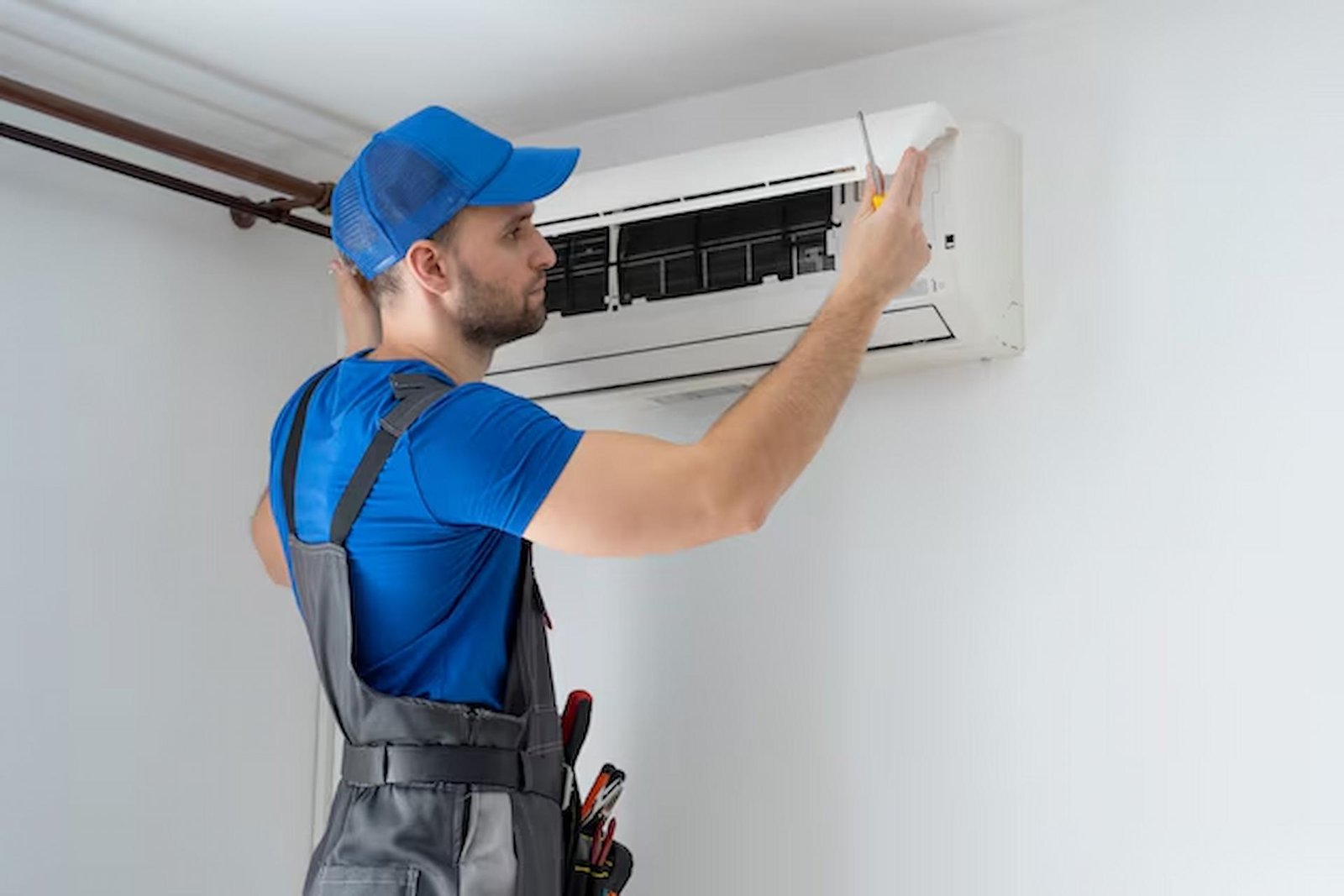
Ductless mini-split systems have revolutionized the way we approach home comfort, offering targeted cooling and remarkable energy efficiency without the need for extensive renovations. These sleek, wall-mounted units are ideal for older homes, additions, or individual rooms that never seem to stay cool enough. However, because they operate differently from traditional central air systems, the warning signs of a mechanical failure can sometimes be subtle or easily overlooked. Understanding when your system is struggling is the key to avoiding a total breakdown during a sweltering Georgia afternoon.
When a ductless unit begins to underperform, many homeowners assume it just needs a quick filter cleaning. While basic maintenance is vital, persistent issues often point to deeper electrical or refrigerant problems that require technical expertise. If you notice that your indoor air handler is struggling to maintain the set temperature or is making unusual sounds, it is likely time to schedule a professional mini split repair in Conyers, GA. Catching these problems early not only prevents a complete loss of cooling but also protects the expensive inverter compressor located in the outdoor portion of your system.
Unusual Noises and Vibrations
A hallmark of ductless technology is its whisper-quiet operation. Under normal circumstances, you should barely notice when the unit is running. If your indoor air handler starts to emit grinding, clicking, or rattling sounds, something is wrong. A grinding noise often points toward a failing blower motor or dry bearings, while clicking could indicate a failing relay or an electrical issue.
Rattling is frequently caused by loose housing components or debris trapped within the fan assembly. Ignoring these sounds can trigger a “domino effect,” where a small vibration eventually shakes other components loose, resulting in a much more costly repair bill. If the quiet hum of your system has been replaced by mechanical clatter, professional intervention is necessary to recalibrate the moving parts.
Ice Accumulation on the Coils
It might seem counterintuitive for an air conditioner to freeze over in the middle of a heatwave, but ice on the evaporator coils is a major red flag. This usually happens for one of two reasons: restricted airflow or a refrigerant leak. When air cannot move freely over the coils, the refrigerant temperature drops too low, causing moisture in the air to freeze instantly onto the metal fins.
If you see frost building up on the indoor unit, turn the system off immediately to allow it to thaw. Running a frozen unit can cause liquid refrigerant to flood back into the compressor, which often results in catastrophic failure. To resolve the root cause, a technician performing a mini split repair in Conyers, GA, will check for leaks in the copper lines and ensure the blower is moving air at the correct velocity.
Short Cycling and Inconsistent Performance
“Short cycling” refers to a situation in which the air conditioner turns on and off rapidly without completing a full cooling cycle. This places immense strain on the electrical components and prevents the system from properly dehumidifying your home. In a ductless system, this is often caused by a faulty thermostat sensor or a communication error between the indoor and outdoor units.
Environmental Indicators of Failure
- Rising Utility Bills: A sudden spike in energy costs without a change in usage suggests the system is working harder to overcome a mechanical deficiency.
- Sticky or Humid Air: If the room feels damp even when the AC is running, the system is failing to pull moisture from the air.
- Bad Odors: Musty smells often indicate mold growth in the drain pan, while acrid, burning smells suggest an electrical short.
- Liquid Leaks: Water dripping down your wall from the indoor unit usually means a clogged condensate drain line.
Handling Refrigerant Leaks
Ductless systems rely on a specific refrigerant charge to move heat out of your home. Unlike a car’s oil, refrigerant is not “consumed” by the machine; if the levels are low, it indicates a leak in the line set. You might notice a hissing sound or a greasy residue around the connection points. Because refrigerant handling is strictly regulated by the EPA, this task must be performed by a licensed professional to ensure safety and environmental compliance.
Conclusion
A ductless mini-split is a sophisticated piece of HVAC technology that requires a delicate touch for repairs. By staying vigilant and watching for signs like ice buildup, strange noises, and short cycling, you can address minor glitches before they become major financial burdens. Taking swift action ensures your home remains a comfortable retreat throughout the year. If your system isn’t providing the crisp, cool air you expect, don’t wait for it to fail completely before seeking assistance.