
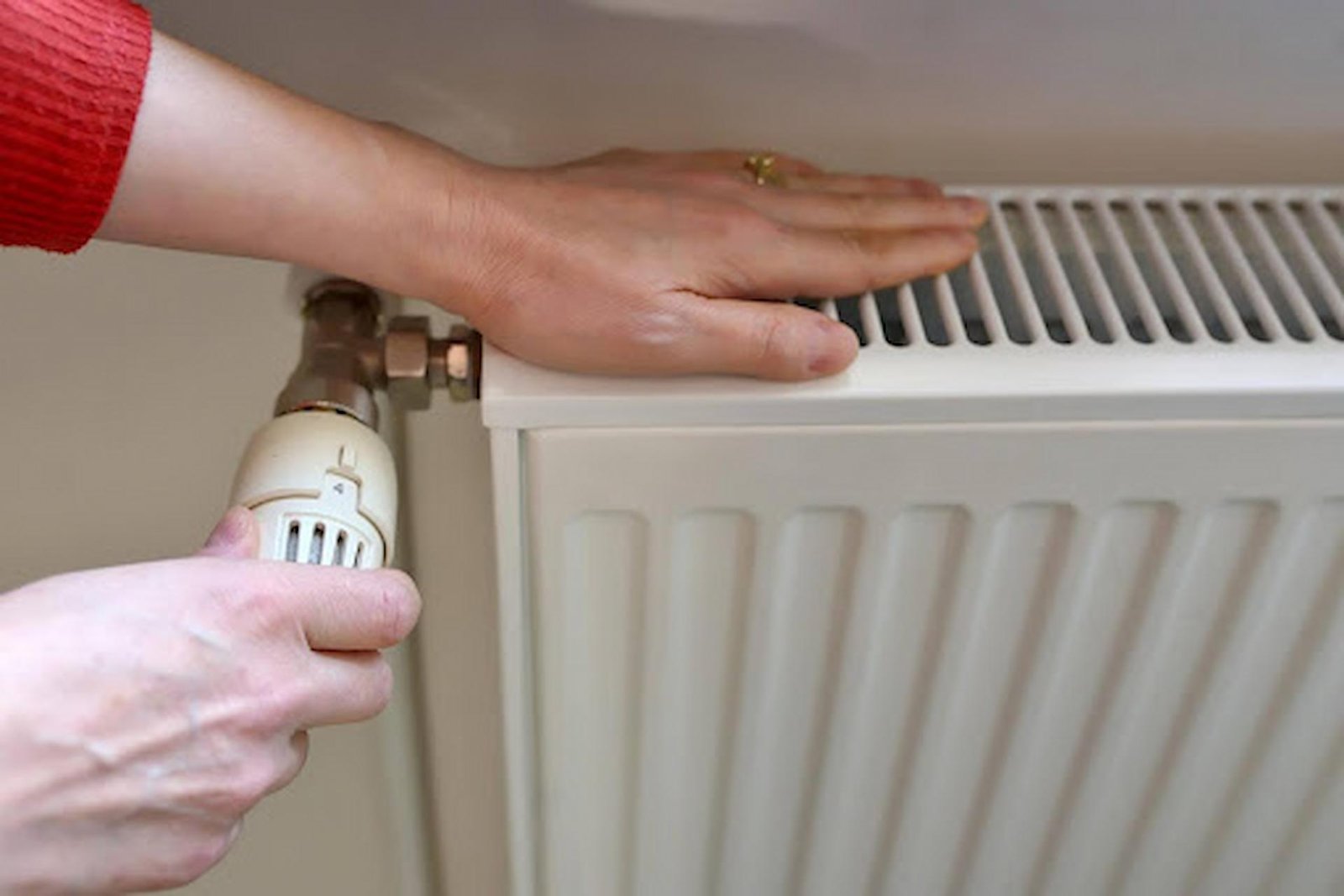
Heating bills getting too high? Small changes in how you use your radiators can make a big difference. Learn simple, smart strategies to maximize warmth, save energy, and cut costs without sacrificing comfort.
Heating accounts for a significant share of household energy use, particularly during colder months. Yet many homes rely on radiators without fully understanding how their everyday use affects efficiency. Knowing how to lower heating bills is less about major upgrades and more about making informed, consistent choices that improve how heat is produced, distributed, and retained indoors.
How Radiator Efficiency Affects Comfort and Costs
Radiators are designed to release heat evenly into a room, but this process only works well when conditions are right. When heat circulation is restricted or temperature control is poorly managed, radiators must work harder to maintain comfort. This increases energy use and pushes bills higher without delivering better results.
Efficient radiator use ensures warmth reaches all parts of a room steadily. Instead of short bursts of intense heat followed by cooling, an efficient system maintains a stable indoor temperature. This balance reduces strain on heating systems and helps energy consumption remain predictable throughout the season.
Heat Flow and Air Circulation Inside the Home
One of the most common reasons for wasted heat is restricted airflow. Radiators rely on open space to distribute warmth. When heat cannot move freely, it collects in one area and fails to warm the rest of the room evenly. This often leads occupants to raise thermostat settings, increasing energy demand unnecessarily.
Allowing heat to circulate naturally improves overall comfort. Warm air spreads more evenly, reducing cold spots and limiting the need for constant temperature adjustments. Over time, better airflow supports more efficient heating and steadier indoor conditions.
Room-by-Room Temperature Control Makes a Difference
Not every room needs the same level of warmth throughout the day. Living areas are used more frequently and benefit from higher temperatures, while bedrooms, hallways, and spare rooms can often remain slightly cooler without affecting comfort. Heating every space equally increases energy use without practical benefit.
Adjusting temperatures based on how rooms are used helps reduce unnecessary heating. Even modest reductions in less-used areas can add up over time. This approach supports how to lower heating bills while maintaining comfort where it matters most.
Timing Your Heating for Better Results
Heating an empty home is one of the most common sources of wasted energy. Radiators are most efficient when they operate in line with daily routines rather than running continuously. Heating systems perform better when they maintain steady warmth during occupied hours and reduce output when rooms are not in use.
Gradual heating is also more efficient than frequent on-and-off cycles. Sudden temperature changes require more energy and place additional demand on the system. A consistent schedule supports even warmth and reduces overall energy consumption across the heating season.
Balanced Radiators Improve Whole-Home Comfort
In many homes, some radiators heat up faster than others. This imbalance causes certain rooms to become too warm while others struggle to reach a comfortable temperature. When this happens, people often increase overall heating levels, leading to higher bills without solving the underlying issue.
Ensuring heat is distributed evenly across radiators improves comfort throughout the home. Balanced heat output allows rooms to reach their intended temperatures more efficiently, reducing the need for constant adjustments and excessive energy use.
Keeping Heat Where It Belongs
Heat loss plays a major role in high energy bills. When warm air escapes quickly, radiators must work longer to maintain indoor temperatures. While full insulation upgrades may not always be immediate options, basic habits help retain warmth more effectively.
Closing internal doors, managing ventilation carefully, and reducing draughts all help keep heat within occupied spaces. When warmth is retained, radiators require less energy to maintain comfort. This supports a more efficient heating cycle and reinforces how to lower heating bills through everyday behaviour.
The Role of Radiator Maintenance in Energy Use
Radiators need regular attention to perform efficiently. Air trapped inside the system can prevent hot water from circulating fully, reducing heat output. When radiators do not heat evenly, systems compensate by using more energy.
Keeping radiators clean also supports better heat transfer. Dust and debris act as barriers, slightly reducing efficiency over time. Simple maintenance habits help ensure radiators operate as intended, delivering consistent warmth without unnecessary energy loss.
Smarter Habits Create Long-Term Savings
Efficient radiator use is not about discomfort or constant monitoring. It is about creating routines that support steady warmth and controlled energy use. Homes that adopt these habits often feel more comfortable because temperatures remain stable rather than fluctuating throughout the day.
Over time, these small changes reduce wear on heating systems and help households manage energy costs more effectively. As energy prices continue to fluctuate, efficient radiator use provides greater control and predictability in household expenses.
Building Awareness Around Everyday Heating Choices
Radiators remain one of the most reliable ways to heat homes, but their performance depends heavily on how they are used. Understanding heat flow, timing, and room needs allows households to make better decisions without technical complexity.
Learning how to lower heating bills through smarter radiator use empowers households to take control of energy consumption. With consistent habits and informed choices, it is possible to stay warm, comfortable, and cost-conscious throughout the colder months.
Conclusion
Heating costs do not have to rise unchecked each winter. Smarter radiator use offers a practical way to reduce energy waste while maintaining indoor comfort. By focusing on heat circulation, thoughtful temperature control, and consistent heating schedules, households can improve efficiency without major changes. These habits help radiators work as intended, delivering steady warmth with less energy. Over time, the benefits extend beyond lower bills to improved comfort and system reliability. For households seeking practical ways to how to lower heating bills, adopting smarter radiator practices is one of the most effective and accessible steps available today.