
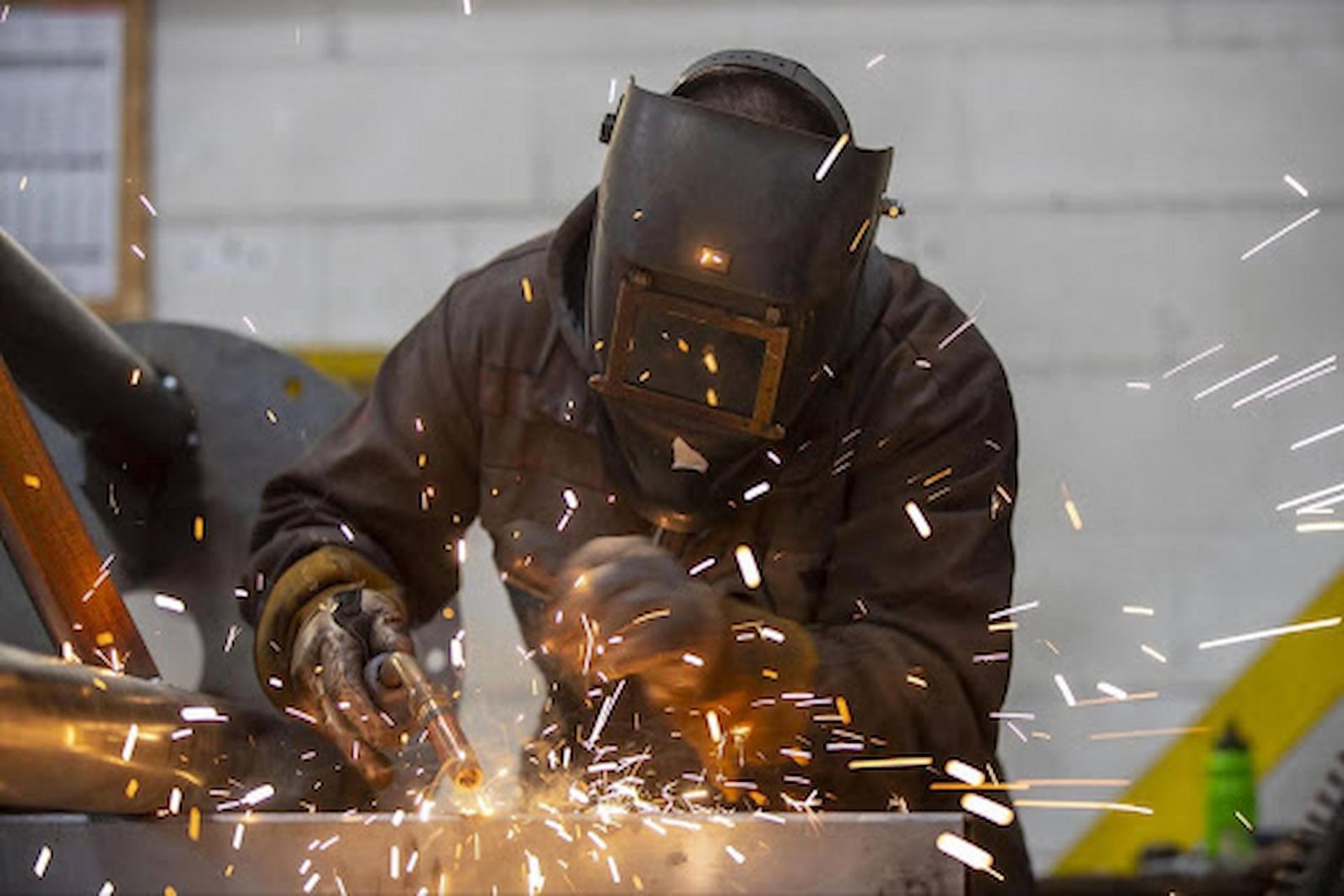
Pipework is the circulatory system of any industrial plant. When it’s optimised, the entire operation runs smoother, safer, and more profitably. This article explores how advanced Pipework Fabrication techniques are revolutionising industrial efficiency, moving beyond traditional methods to create a future of streamlined, high-performance operations.
The days of on-site, trial-and-error pipe welding are becoming a thing of the past. Traditional pipework involved extensive manual labour, leading to inconsistencies, potential safety hazards, and significant project delays. Today, Pipework Fabrication has evolved into a sophisticated, highly controlled process, leveraging cutting-edge technology to achieve precision and reliability that was once unimaginable.
The Role of Technology in Modern Fabrication
Modern Pipework Fabrication shops are hubs of innovation. They use technology to enhance every stage of the process, from design to installation.
- 3D Modelling and CAD/CAM: Advanced software allows engineers to create highly detailed, three-dimensional models of a pipework system. This digital twin can be analysed for clashes, stress points, and optimal routing before any physical work begins, saving time and materials.
- Automated Welding: Robotic welding systems perform welds with unparalleled accuracy and consistency. This automation reduces human error, speeds up production, and ensures every joint meets stringent quality standards.
- Precision Cutting: Computer Numerical Control (CNC) machines cut pipes with exact measurements, eliminating the waste and potential for error associated with manual cutting.
The Core Benefits of Advanced Pipework Fabrication
Adopting advanced fabrication techniques isn’t just about upgrading equipment; it’s about fundamentally changing how projects are executed, leading to a cascade of benefits for industrial facilities.
1. Enhanced Quality and Reliability
- Consistent Quality: Off-site fabrication takes place in a controlled environment, free from the variables of a construction site, like weather, dust, and limited space. This controlled setting ensures that every piece of pipework is produced to the highest standards, resulting in fewer defects and a longer service life.
- Stringent Quality Control: Fabricators often have rigorous quality control procedures, including non-destructive testing (NDT) and material traceability, which ensure that every component is fit for purpose and will perform reliably under operational conditions.
2. Significant Cost and Time Savings
- Reduced Labour Costs: By moving the bulk of the work to a fabrication shop, on-site labour requirements are significantly reduced. This not only lowers costs but also minimises the risks associated with a large on-site workforce.
- Faster Project Timelines: Off-site fabrication and on-site construction can happen simultaneously. While the pipework is being built in the shop, groundwork and structural installations can proceed at the plant. This parallel workflow drastically shortens project schedules and gets the facility up and running sooner.
- Less Material Waste: Precision cutting and optimised design minimise material waste, which is both economically and environmentally beneficial.
The Impact on Industrial Operations and Safety
Advanced Pipework Fabrication significantly improves both safety and operational efficiency by moving complex and hazardous work from the construction site to a controlled shop environment. This not only creates a safer workplace with fewer on-site risks but also allows for a greater degree of precision in the final product. The resulting pipework system is optimised for fluid and gas flow, which minimises pressure drops and friction losses, ultimately reducing energy consumption and boosting overall performance.
Furthermore, the use of standardised, modular components simplifies future maintenance, making it easier to access, inspect, and replace parts, thereby reducing costly downtime and enhancing the long-term reliability of the system.
Actionable Tips for Adopting Advanced Fabrication
For facility managers and project planners looking to leverage these benefits, here are some actionable tips:
- Plan Early and Collaborate: Involve a specialist fabricator early in the design phase. Their expertise can help optimize the design for fabrication, ensuring a smoother process and better final product.
- Focus on the Total Cost of Ownership: While the initial cost of a prefabricated system might seem higher than traditional methods, consider the long-term savings from reduced labour, faster project completion, and improved operational efficiency.
- Choose a Reputable Partner: Look for a fabrication company with a proven track record, a commitment to quality, and expertise in your specific industry.
The Future
The future of industrial construction is undeniably heading towards greater prefabrication and modularisation. The benefits of advanced pipework fabrication—from enhanced safety and quality to significant time and cost savings—are too compelling to ignore. As industries strive for greater efficiency and sustainability, adopting these innovative techniques will be key to staying competitive. By embracing the evolution of Pipework Fabrication, companies can build more resilient, reliable, and profitable operations for years to come.