
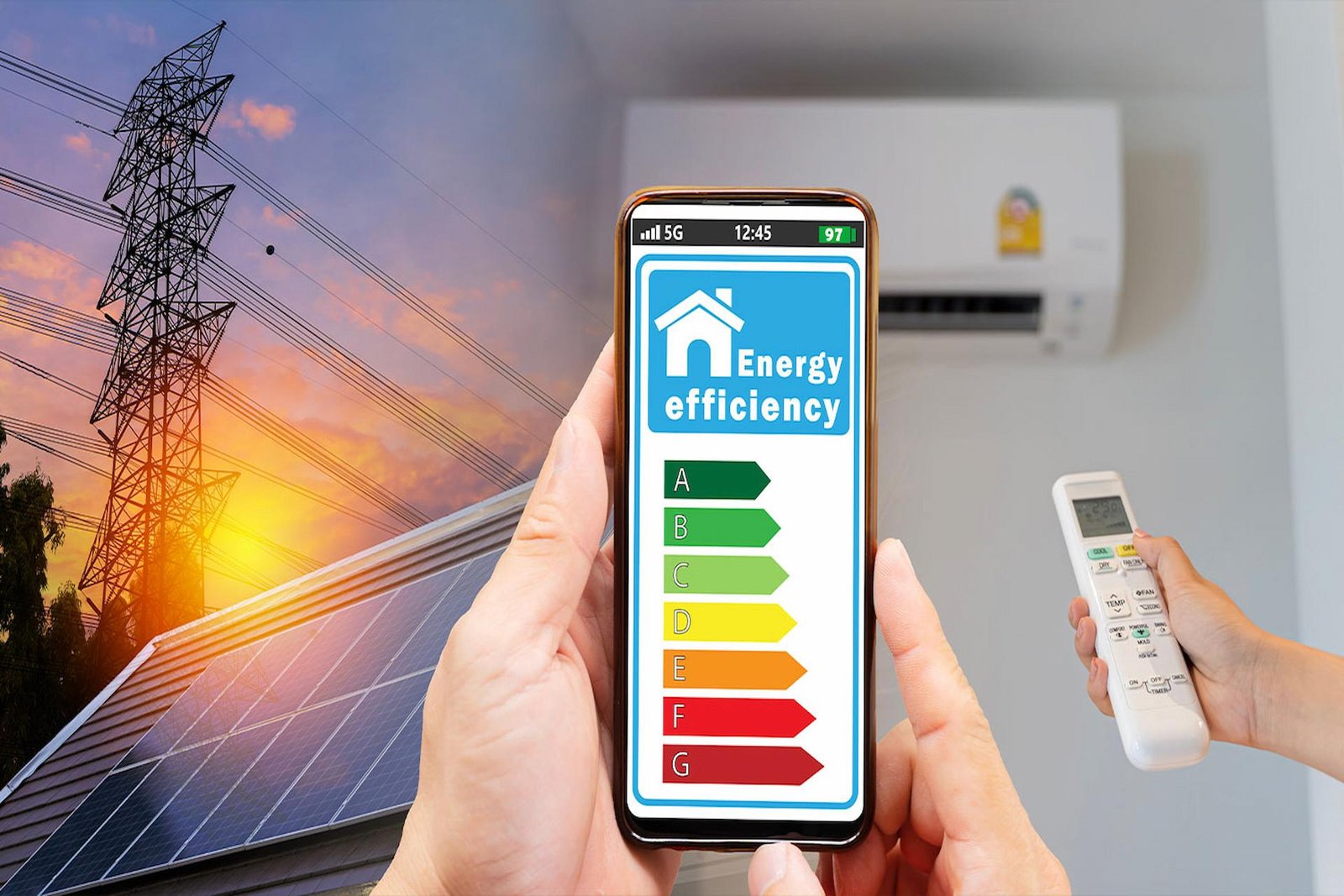
Keeping a home comfortable during warmer months is becoming increasingly important as temperatures rise and energy costs continue to fluctuate. Homeowners today are looking beyond traditional air conditioning systems and exploring innovative cooling solutions that reduce electricity consumption while maintaining excellent indoor comfort. Understanding current cooling trends can help homeowners make informed decisions that improve energy efficiency, lower utility bills, and support long-term HVAC performance.
Many property owners researching AC system replacement West Palm Beach, FL, are discovering that modern cooling technology offers far greater efficiency than older equipment. New systems are engineered to provide improved temperature control, enhanced humidity management, and reduced energy use. As cooling demands increase, homeowners are prioritizing upgrades that deliver dependable performance while helping control operating expenses throughout the year.
High-Efficiency Air Conditioners Continue to Gain Popularity
One of the most significant cooling trends involves the growing adoption of high-efficiency air conditioning systems. Modern equipment features advanced compressors, variable-speed technology, and improved heat transfer capabilities.
Why Efficiency Ratings Matter
Seasonal Energy Efficiency Ratio (SEER) ratings help homeowners compare system performance. Units with higher SEER ratings generally consume less electricity while providing the same level of cooling. Investing in high-efficiency equipment often leads to lower monthly energy costs and improved indoor comfort over the system’s lifespan.
Many homeowners considering AC system replacement West Palm Beach, FL, are selecting high-efficiency systems because they provide better cooling performance while reducing strain on household energy budgets. Combined with proper installation and maintenance, these systems can significantly improve overall HVAC efficiency and long-term reliability.
Variable-Speed Technology Is Transforming Home Cooling
Traditional air conditioners typically operate at full capacity whenever cooling is needed. New variable-speed systems can adjust output based on changing indoor conditions.
Benefits of Variable-Speed Operation
Rather than constantly turning on and off, variable-speed units operate at different levels throughout the day. This approach improves temperature consistency, enhances humidity control, and reduces energy consumption. Homeowners also benefit from quieter operation and reduced wear on HVAC components.
Key Advantages of Variable-Speed Cooling:
- Lower energy consumption
- Improved humidity management
- More consistent temperatures
- Reduced equipment wear
- Quieter system operation
- Enhanced indoor comfort
These benefits make variable-speed systems one of the most attractive upgrades available today.
Smart Thermostats Are Becoming Standard
Smart home technology continues to influence how homeowners manage heating and cooling systems. Advanced thermostats offer greater control and improved energy management.
How Smart Thermostats Improve Efficiency
Modern thermostats can learn household routines, automatically adjust temperatures, and provide remote access through mobile devices. Some models generate energy reports that help homeowners identify opportunities to reduce consumption while maintaining comfort.
These intelligent controls allow HVAC systems to operate more efficiently without requiring constant manual adjustments throughout the day.
Improved Humidity Control Is a Growing Priority
Cooling a home effectively involves more than lowering temperatures. Managing indoor humidity is equally important for comfort, health, and energy efficiency.
Why Humidity Matters
Excess moisture can make indoor spaces feel warmer than they actually are, causing homeowners to lower thermostat settings unnecessarily. Advanced cooling systems now include enhanced dehumidification capabilities that help maintain balanced indoor conditions while reducing cooling demands.
Better humidity control can also help prevent mold growth, improve indoor air quality, and support overall home comfort.
Signs It May Be Time for a Cooling Upgrade:
- Rising energy bills
- Uneven room temperatures
- Excess indoor humidity
- Frequent HVAC repairs
- Poor airflow from vents
- Aging equipment performance
Recognizing these signs early can help homeowners avoid costly system failures.
Zoned Cooling Systems Are Expanding
Another important trend is the growing use of zoned cooling technology. These systems allow different areas of a home to be cooled independently.
Benefits of Zoned Cooling
Zoning helps eliminate temperature inconsistencies while reducing unnecessary energy use. Occupied spaces can receive more cooling attention while unused rooms require less conditioning. This approach improves comfort and can significantly reduce utility costs.
Larger homes particularly benefit from zoning because cooling demands often vary between floors and living areas.
Heat Pump Technology Continues to Advance
Modern heat pumps have become increasingly efficient and versatile. Many homeowners now view them as practical alternatives to traditional cooling systems.
Why Heat Pumps Are Growing in Demand
Heat pumps provide both heating and cooling from a single system while offering excellent energy efficiency. New models perform well across a wider range of outdoor temperatures, making them attractive options for homeowners seeking year-round comfort and lower energy consumption.
As technology improves, heat pumps are expected to play an even larger role in residential HVAC solutions.
Indoor Air Quality Features Are Being Integrated
Today’s homeowners are increasingly concerned about indoor air quality. As a result, many modern cooling systems incorporate advanced filtration and purification technologies.
Air Quality Enhancements
High-efficiency filters, UV treatment systems, and air purification technologies help reduce airborne contaminants, allergens, and dust. These features support healthier indoor environments while complementing energy-efficient cooling strategies.
Popular Modern Cooling Features:
- Smart thermostat integration
- Variable-speed compressors
- Advanced filtration systems
- Zoned cooling capabilities
- Enhanced humidity control
- High-efficiency heat exchangers
These innovations contribute to both comfort and energy savings.
Professional Installation Maximizes Results
Even the most advanced HVAC equipment requires proper installation to deliver its full efficiency potential. System sizing, airflow design, and ductwork performance all influence overall results.
Why Professional Expertise Matters
Qualified HVAC professionals evaluate home size, insulation, ventilation, and cooling demands before recommending equipment. Proper installation helps prevent airflow restrictions, short cycling, and excessive energy consumption while supporting long-term reliability.
Professional guidance also ensures homeowners select systems that align with their comfort goals and budget requirements.
Future Cooling Insights
Energy-efficient cooling trends continue to reshape the residential HVAC industry. High-efficiency air conditioners, variable-speed technology, smart thermostats, zoning systems, advanced humidity control, and improved indoor air quality features are helping homeowners reduce energy costs while enhancing comfort. As cooling technology evolves, homeowners who invest in modern solutions can enjoy lower utility bills, improved system performance, and healthier indoor environments. Understanding these trends allows property owners to make informed decisions that support long-term efficiency, comfort, and home value.