
Discover how smart marketing turns quiet days into busy ones at zoos, farm parks and wildlife attractions. From eye-catching displays to family-focused tactics, learn practical ways to pull parents and children through the gate and keep them coming back for more memorable experiences.
Families decide where to spend a day out long before they leave the house. They want something exciting, safe and different from the usual park or shopping trip. For zoos, farm parks and wildlife attractions, the challenge is simple: stand out and give parents a clear reason to choose you. One powerful way to do this is by adding striking visual elements such as inflatable animals. These large, colourful figures create instant curiosity and signal fun the moment people arrive or drive past. When combined with clever marketing, they help turn passers-by into paying visitors and make the whole experience feel more special for children.
Understand What Families Really Want
Parents look for value, variety and ease. They need to know the day will keep children engaged without constant complaints or high extra costs. Clear communication about what is included, how long a visit lasts and what makes your site different builds trust early.
Focus on the emotional side too. Families want shared memories, not just another list of animals to tick off. Show the excitement of meeting creatures up close, the joy of feeding sessions or the simple pleasure of open space. Short, friendly language on websites and social media works better than long technical descriptions.
Create Instant Visual Appeal at the Entrance
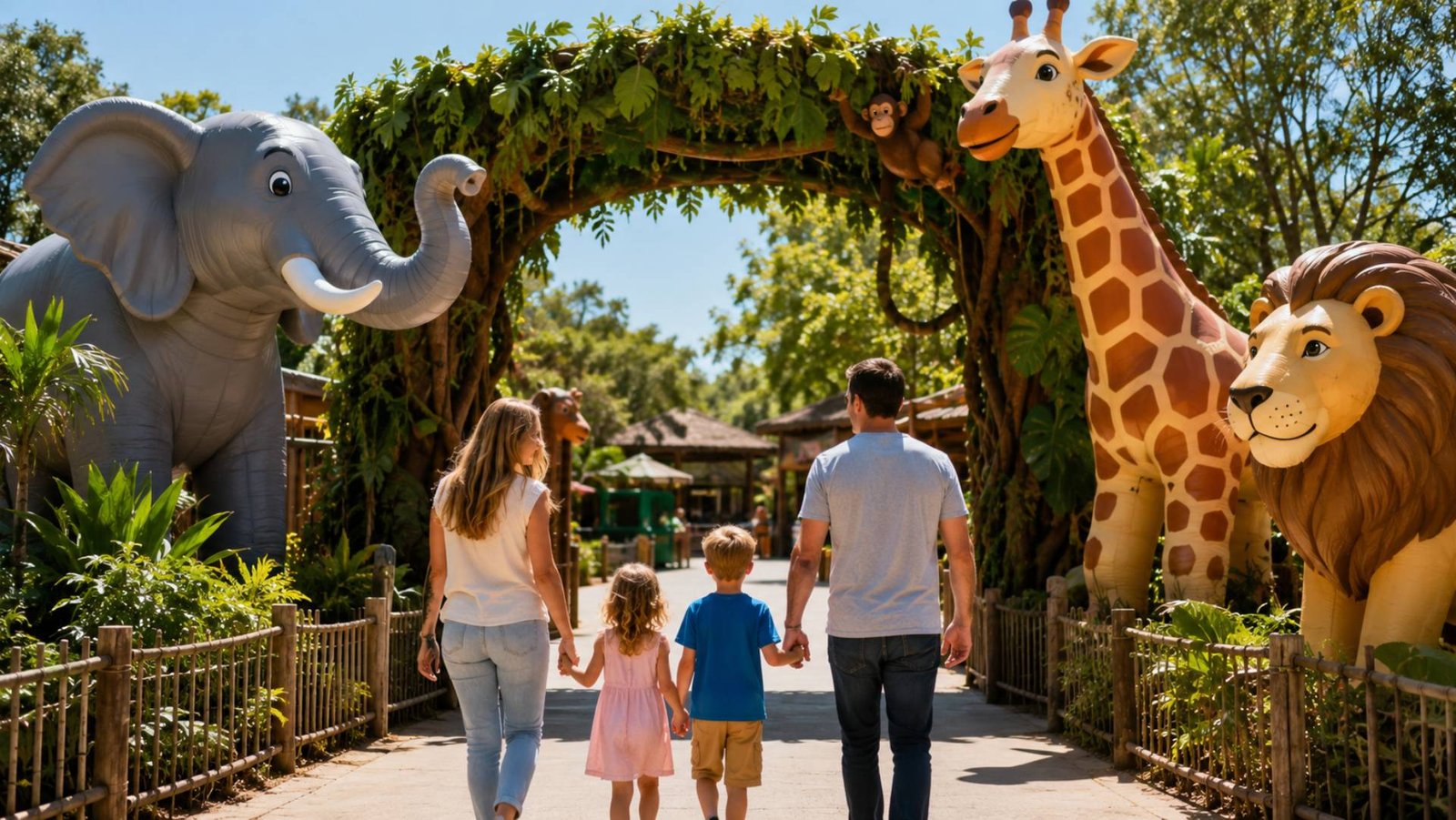
First impressions decide whether a family stops or drives on. A well-placed display near the gate or car park can stop traffic and start conversations inside the car. Giant inflatable animals work especially well here because they are hard to ignore and instantly suggest adventure.
These figures can match your theme—jungle creatures for a zoo, farmyard favourites for a park or ocean life for a wildlife centre. They need little space yet deliver a big impact. Place them where they are visible from the road and keep them looking fresh and secure. The result is free advertising that works every day the attraction is open.
Use Digital Channels to Build Anticipation
Most families research online before booking. Your website and social media must show the experience clearly. Post short videos of animals, staff and happy visitors. Share seasonal updates such as new arrivals or special feeding times. Simple captions that speak directly to parents—“Perfect half-term day out” or “Rain or shine, the animals are ready”—perform well.
Email newsletters and targeted local ads can remind people who visited before that something new is waiting. Keep messages short and always include a clear call to action, such as “Book your tickets today.”
Design Experiences That Encourage Longer Stays and Return Visits
Once families are through the gate, the goal is to keep them happy and make them want to come back. Timed activities, interactive zones and photo opportunities create natural flow around the site. Offer simple packages that combine entry with a feed or a short talk so parents feel they are getting more for their money.
Seasonal events work well. A spring lambing weekend or a summer evening walk gives people a reason to return. Collect feedback quietly through short surveys or conversation with staff. Use what you learn to improve the next visit.
Partner Smartly and Measure What Matters
Local tourism boards, hotels and family blogs can spread the word without large budgets. Offer joint tickets or special rates for groups. Track which channels bring the most families—website bookings, social referrals or walk-ins—and put more effort into the ones that work.
Simple numbers matter: average spend per family, length of stay and repeat visits. Review them regularly and adjust promotions accordingly.
Host Special Events and Themed Days
Special events give families a fresh reason to visit even if they have been before. Plan days around seasons, school holidays or popular animal themes. Keep the programme simple so staff can deliver it smoothly and visitors know exactly what to expect.
Promote these events early through your usual channels. Make sure the day includes clear start times, easy access and something memorable for children. When the event feels well organised, parents are more likely to book again for the next one.
Train Staff to Create a Warm Welcome
The people who greet visitors set the tone for the whole day. Brief training on friendly conversation, answering common questions and pointing out highlights can make a real difference. Staff who notice families and offer a quick tip or smile help turn a good visit into a great one.
Encourage team members to share positive moments they see. This builds a culture of care that parents notice and remember when deciding where to go next time.
Conclusion
Getting families through the gate starts with understanding their needs and then making the visit feel special from the first glimpse. Strong visuals, clear digital messaging and well-planned experiences work together to turn interest into tickets sold. Adding memorable features such as inflatable animals gives your attraction an edge that parents notice and children remember. Keep testing what works, listen to feedback and refine your approach. Over time these consistent efforts build a reputation that brings families back year after year. Focus on simple, honest communication and genuine enjoyment, and the gate will stay busy.